
1. Overview
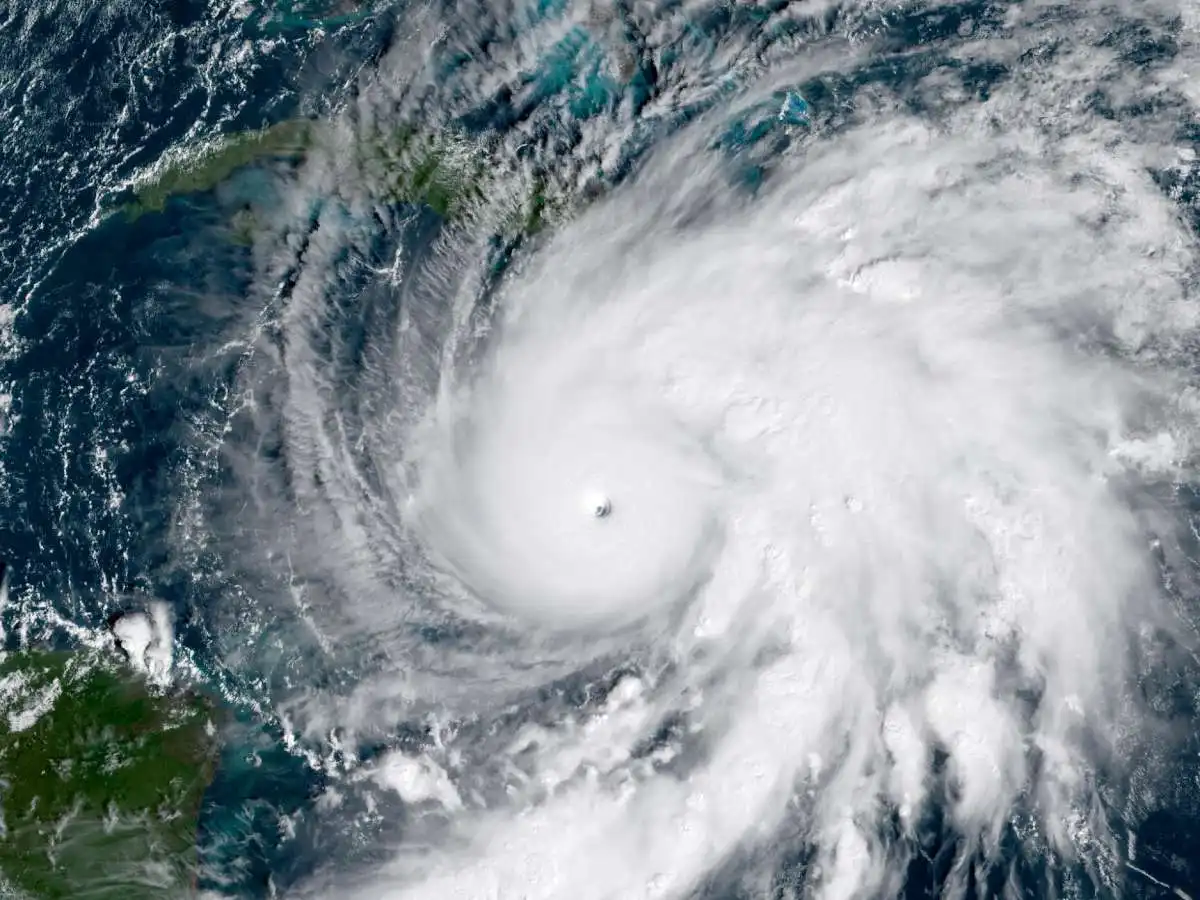
In late October 2025, Hurricane Melissa, a Category 5 storm, struck Jamaica with devastating force. The hurricane caused catastrophic flooding, widespread power outages, and severe damage to infrastructure, agriculture, and tourism assets. Thousands remain displaced, many without stable shelter, income, or documentation.
The scale of disruption has produced classic conditions for human trafficking: mass displacement, economic desperation, reduced oversight, and the influx of unregulated labour and contractors during recovery.
2. Jamaica’s Human Trafficking Landscape
Jamaica is simultaneously a source, transit, and destination country for trafficking. Victims—mainly women and children—are exploited in sex trafficking and forced labour across sectors such as tourism, domestic work, construction, and fishing. Over recent years, children have made up the majority of identified victims.
Organised criminal groups and gangs play a central role in trafficking operations, often connected to broader drug and gun-running networks. Law-enforcement agencies, including the Major Organised Crime and Anti-Corruption Agency (MOCA), continue to link trafficking with these larger criminal enterprises. Despite notable national initiatives, including a digital anti-trafficking awareness course launched in 2025, enforcement and victim-support systems remain under pressure.
3. How Disasters Amplify Human Trafficking Risk
Natural disasters heighten trafficking risk by:
- Disrupting protections: Police, social services, and community monitoring systems are weakened.
- Driving desperation: Lost livelihoods make households more susceptible to deceptive “job offers.”
- Creating chaotic labour demand: Reconstruction and relief efforts bring rapid recruitment and external actors, often without oversight.
- Enabling criminal adaptation: Existing organised crime groups diversify into trafficking when traditional markets (e.g., drugs or tourism) are disrupted.
4. Likely Trafficking Patterns After Hurricane Melissa
The following scenarios warrant urgent attention:
- Forced labour in reconstruction – Displaced persons recruited for clean-up and rebuilding work but trapped through debt, withheld pay, or coercion.
- Sexual exploitation in hospitality and tourism – As resorts and hotels rebuild, temporary or unvetted hiring may mask sexual trafficking, especially of women and minors.
- Child trafficking in displacement sites – Children separated from families are highly vulnerable to recruitment for sexual or labour exploitation.
- Gang-related forced criminality – Youth recruited under the guise of “security” or “clean-up” work but exploited for gang activity.
- Exploitation in fishing and agriculture – Informal or foreign labour in rural and coastal zones may be coerced into forced work.
- Cross-border trafficking – Reduced port oversight may facilitate movement of victims under the cover of importing reconstruction labour.
5. Key Sectors and Groups to Monitor
Humanitarian and government actors should prioritise vigilance in:
- Construction and debris removal supply chains
- Hospitality/tourism recruitment and subcontracting
- Child protection in shelters and temporary housing
- Fishing and agriculture labour flows
- Ports, logistics, and foreign worker entry
- Youth recruitment for informal or gang-controlled labour
- High-risk populations include displaced households, unaccompanied minors, women seeking work in tourism or domestic service, and foreign labourers engaged in reconstruction.
6. Recommended Actions
- Integrate anti-trafficking screening and referral mechanisms in all humanitarian programmes.
- Enforce registration and monitoring of contractors in reconstruction and hospitality.
- Establish child-safe spaces and systems for identifying unaccompanied minors.
- Coordinate across law-enforcement, immigration, and humanitarian agencies to track labour recruitment and suspicious movements.
- Launch public awareness campaigns warning of trafficking lures and fake job offers.
- Maintain real-time intelligence sharing through FiD’s platform to flag emerging trafficking patterns.
7. Conclusion
The humanitarian response to Hurricane Melissa must recognise that trafficking risks are not peripheral—they are intrinsic to the disaster recovery phase. Protecting vulnerable Jamaicans from exploitation requires coordinated monitoring across labour, tourism, child protection, and border sectors.
FiD continues to advocate for proactive awareness, intelligence sharing, and prevention measures against human trafficking in post-disaster contexts, fully aligned with its mission to safeguard integrity and human security during recovery and rebuilding.
Sources:
U.S. Department of State – Trafficking in Persons Report: Jamaica (2024)
Jamaica Gleaner – “80% of Jamaica’s human trafficking victims are children” (October 2025)
Organised Crime Index (ocindex.net) – Jamaica Profile
Major Organised Crime & Anti-Corruption Agency (MOCA), Jamaica
CARICOM – Montego Bay Declaration on Transnational Organised Crime (July 2025)
Hurricane Melissa coverage – AP News, Reuters, Al Jazeera, The Guardian (October 2025)
Office of the National Rapporteur on Trafficking in Persons (ONRTIP), Jamaica (2025)