A 15-Week Sprint to Protect Vulnerable Communities Before the Nepalese Winter
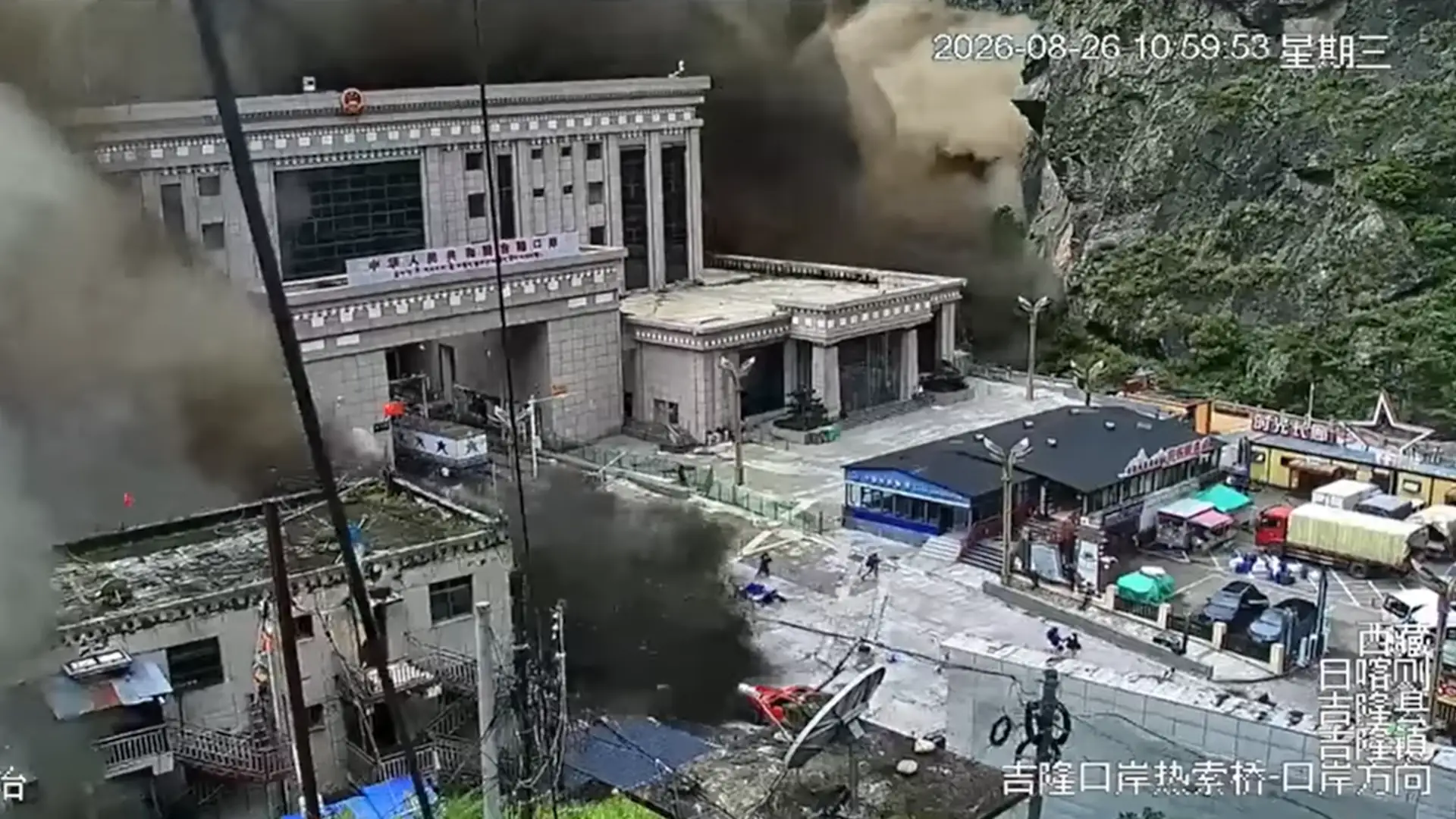
On 26 August 2026, a catastrophic debris avalanche and flash flood struck northern Nepal following rapid slope failure involving a glacier in Langtang National Park near the border with China. The resulting flow of ice, water, rock and debris travelled almost 100 kilometres downstream, devastating communities, infrastructure and vital transport links along the Lende Khola and Trishuli Khola river systems.
The disaster is still unfolding and its full humanitarian and protection consequences are not yet known.
Freedom in Disasters is working with trusted Nepalese partners to assess where counter-human trafficking support is most urgently required and to mobilise resources, expertise and practical assistance to help protect vulnerable people during the relief and reconstruction period.
From 1. September, we are launching a focused 15-week sprint effort to support critical counter-human trafficking and protection initiatives in Nepal, building towards on-site presence and implementation audits in early December 2026, before the Nepalese winter further constrains access, movement and humanitarian operations.
The exact scope of this initiative is currently being assessed. Rather than imposing a predetermined program from outside, we are being guided by the capability, resource and operational requests of our trusted local partners and the needs emerging on the ground.
Our objective is to empower local stakeholders with whatever appropriate resources, expertise, connections and practical support are needed, while working alongside humanitarian and reconstruction organisations to ensure that counter-human trafficking considerations form part of the wider disaster response.
Raising Funds to Protect the Most Vulnerable
Freedom in Disasters is working with Nepalese counter-human trafficking organisations and other local partners to raise funds for critical initiatives that can help prevent human trafficking and exploitation following the disaster.
Disasters can create conditions that traffickers may seek to exploit. Displacement, loss of homes and livelihoods, separation from families and support networks, financial hardship, disrupted services and weakened protection mechanisms can leave people significantly more vulnerable.
The relief and reconstruction period can create additional risks. People may urgently need employment, accommodation, financial assistance, transport or other forms of support. Large-scale reconstruction can also generate increased demand for labour and create new recruitment and migration pathways.
Without appropriate safeguards, these circumstances can increase exposure to deceptive recruitment, forced labour, trafficking and other forms of exploitation.
For this reason, counter-human trafficking measures must be considered as part of disaster response and recovery — helping to ensure that those most affected by the disaster are not exposed to further exploitation as they attempt to rebuild their lives.
Funds raised through this initiative will support critical prevention and protection initiatives identified in consultation with trusted local partners.
This may include strengthening community awareness, supporting local prevention activities, improving identification and referral pathways, strengthening organisational capacity, monitoring emerging risks, and providing practical resources to organisations working directly with vulnerable communities.
We encourage individuals and organisations who are able to contribute to donate and help support these critical efforts.
Monitoring the Counter-Human Trafficking Environment
Alongside fundraising and practical support, Freedom in Disasters is actively monitoring the counter-human trafficking environment in Nepal as the response develops.
Because the situation is rapidly evolving, we are working with local partners to identify emerging trends, practices and vulnerabilities that may place affected communities at increased risk.
This includes monitoring for potential changes in recruitment practices, labour exploitation, movement of vulnerable people, gaps in protection systems and other indicators that may warrant attention from counter-human trafficking or humanitarian actors.
This monitoring is intended to provide a clearer picture of how trafficking risks may develop throughout the relief and reconstruction period.
Where relevant intelligence emerges, we will work with appropriate partners to ensure that those best placed to respond can act on that information.
Our approach is deliberately collaborative and locally informed. The objective is not simply to observe the situation, but to help ensure that emerging risks can be recognised early and that local stakeholders have access to the information, connections and resources they need to respond.
Supporting Relief and Reconstruction
Freedom in Disasters is also collaborating with humanitarian best-practice organisations to explore how we can support the deployment of appropriate expertise and safeguards within relief and reconstruction programs.
As Nepal moves from emergency response towards recovery and reconstruction, significant movements of people, labour recruitment, transport, accommodation, procurement and employment may occur.
These activities are essential to rebuilding affected communities, but they can also create opportunities for exploitation if appropriate safeguards are not incorporated.
We are therefore working with relevant organisations to identify opportunities to support relief and reconstruction programs with counter-human trafficking expertise, practical safeguards and locally relevant intelligence.
The scope of this support will be determined by the needs and capability requests of our trusted partners on the ground.
The 15-week effort will build towards on-site presence and implementation audits in early December 2026, allowing us to assess how agreed measures are being implemented, identify gaps and provide practical support before the Nepalese winter makes access and field operations more difficult.
The intention is to use the period leading into December to strengthen local capacity, provide partners with the resources and connections they require, and help establish practical systems that can continue beyond the initial response period.
International Standard Implementation
Global Action for Freedom 2026 marked the launch of the International Standard for Counter Human Trafficking Programming in Disasters — a global framework designed to guide governments, humanitarian organisations and practitioners in preventing and responding to trafficking risks in disaster settings.
The Standard provides a framework for ensuring that human trafficking risks are recognised and addressed within disaster response and recovery.
As part of the Nepal initiative, Freedom in Disasters is working to engage international humanitarian organisations operating in or supporting Nepal to recognise the Standard and, where applicable, adapt relevant practices, policies and operational approaches to incorporate its principles.
This is intended to help ensure that counter-human trafficking considerations are embedded within humanitarian and reconstruction systems rather than treated as a separate or secondary issue.
At the same time, we are exploring mechanisms through which participating humanitarian organisations can receive near-real-time human trafficking intelligence, where relevant and appropriate.
A 15-Week Sprint Towards Winter
The period from 1. September to 15. December 2026 represents a focused window for action.
During these 15 weeks, Freedom in Disasters and its partners will work to:
- Identify the most urgent counter-human trafficking and protection needs.
- Raise funds for critical locally identified initiatives.
- Empower trusted local organisations with appropriate resources, expertise and connections.
- Monitor the evolving counter-human trafficking environment.
- Identify emerging trafficking and exploitation risks.
- Explore opportunities to embed counter-human trafficking safeguards within relief and reconstruction programs.
- Engage international humanitarian organisations around implementation of the International Standard.
- Where appropriate, provide humanitarian actors with relevant near-real-time trafficking intelligence.
- Build towards on-site engagement and implementation audits in early December 2026.
The precise activities will continue to evolve in response to the situation on the ground and the requests of trusted local partners.
Our focus is clear: protect vulnerable people, prevent exploitation, strengthen local capacity, and help ensure that reconstruction contributes to safer and more resilient communities.
Get Involved
This initiative requires collaboration across local and international organisations, practitioners, communities and supporters.
We encourage organisations and individuals with relevant expertise, resources, networks or an interest in supporting the response to get in touch.
We are particularly interested in connecting with organisations working in counter human trafficking, humanitarian response, reconstruction, logistics, safeguarding, community protection and related fields.
If you or your organisation would like to explore how you can support this effort, please contact us at contact@freedomid.org.
Those who are able to contribute financially are encouraged to donate and help fund critical initiatives supporting vulnerable communities and preventing human trafficking in the aftermath of the disaster.
Together, we can help ensure that the recovery and reconstruction of affected communities in Nepal is not only about rebuilding what was lost, but about building stronger protection against exploitation for the future.